Sabbatical Year in Melbourne: Research, Collaboration, and Adventure
A year spent advancing the Exploracion2022 project and forging international collaborations down under.
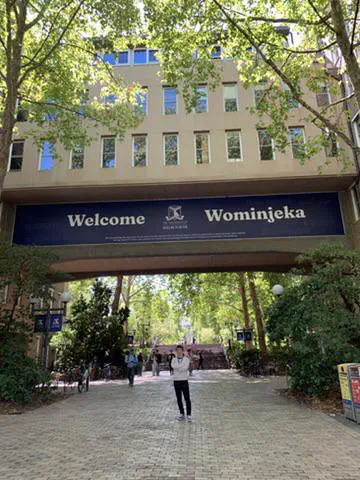 Welcome to the University of Melbourne
For a researcher, a sabbatical is a precious opportunity to step out of the daily routine, dive headfirst into new challenges, and forge collaborations that can define the next phase of a scientific career. Moving from my home at Universidad de Santiago de Chile (USACH) to spend an incredible year as a visiting researcher at the Department of Biomedical Engineering at the University of Melbourne was exactly that kind of adventure.
Advancing Retinal Electrophysiology and the Exploracion2022 Project
The driving force behind this sabbatical was our ongoing work on the Exploracion2022 project. The project focuses on novel, complexity-based electroretinogram (ERG) analysis to identify biomarkers for neurodegenerative diseases. During my time at Unimelb, we focused heavily on extracting meaningful, entropy-based signals and complexity metrics from visual data, and implementing machine learning models to further understand the information content of these signals.
Unforgettable Collaborations and Lab Life
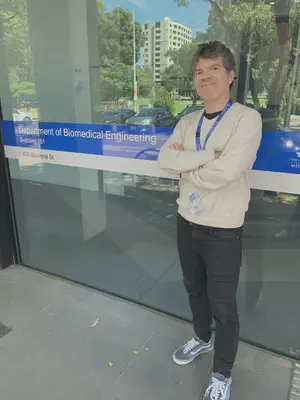
I was fortunate to immerse myself in an incredible research environment and work alongside fantastic colleagues. A major highlight was collaborating with David Grayden, Pip Karoly, and the broader neuroengineering team. In Pip Karoly’s lab, I expanded my focus slightly to present on cardiac autonomic variability in Parkinson’s disease, bridging systemic hallmarks of neurodegeneration with our core physiological focus.
Back on the retinal side, I worked closely with Joel Villalobos and Joe West. Together, we developed and refined machine learning models to analyze uERG data. This computational bridge is essential for turning theoretical complexity metrics into robust, automated diagnostic tools.
Seminars and Exchanging Ideas
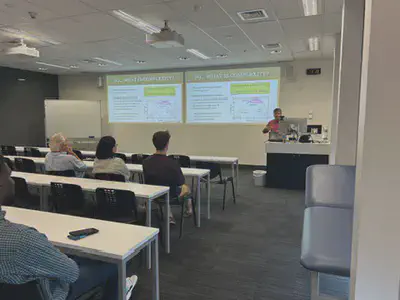
Sharing knowledge is what makes the international scientific community thrive. In May 2025, I presented my research framework to the Department of Biomedical Engineering, exploring the fundamental question: “What is complexity?” and discussing how physiological time sequences encode the health of the nervous system.
The cross-disciplinary exchange continued into August 2025, where I collaborated with Bang Bui from the Department of Optometry and Visual Sciences and presented our recent progress, helping to bridge the gap between pure engineering and clinical optometry.
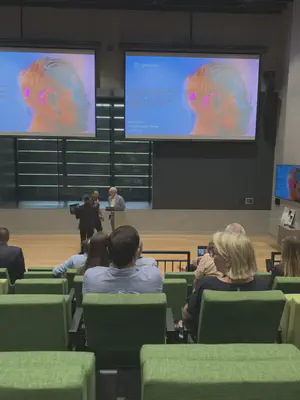
Beyond presenting my own work, my sabbatical was an amazing opportunity to attend cutting-edge research seminars in Melbourne. A notable highlight was an event hosted by the Aikenhead Centre for Medical Discovery (ACMD), where I attended an inspiring talk by Prof. Mark Cook on “Taking brain implants from an idea to a clinical device: Translational lessons from a founder’s perspective.”
Traveling for Science: Sydney, Auckland, and Japan
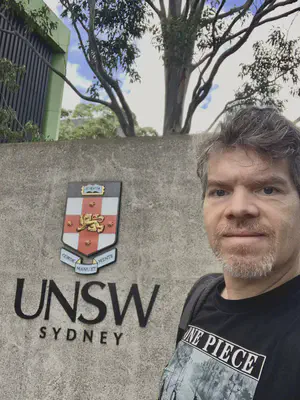
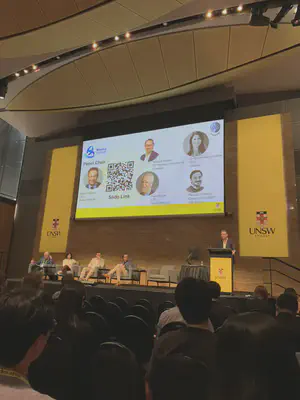
While Melbourne was an excellent base, the sabbatical offered the chance to connect with international experts and share my findings. Last February, I traveled to Sydney to attend the Australasian Bioelectronics Neurosensing and Neuromodulation Symposium (ABNNS) at UNSW. Keeping a pulse on the rapidly evolving field of bioelectronic medicine was incredible.
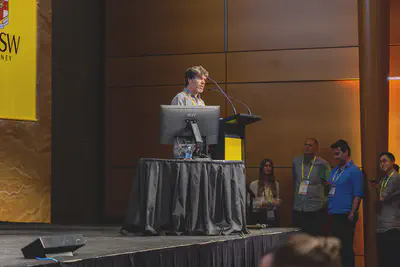
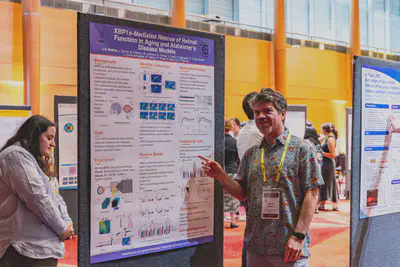
It was a great event featuring fascinating industry talks and panel discussions on neurotechnologies.
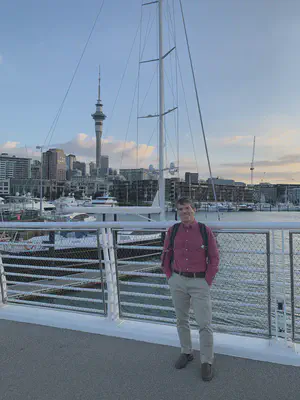
I also crossed the Tasman Sea for a one-week research visit to the School of Optometry and Vision Sciences at the University of Auckland, New Zealand. It was fantastic to collaborate with Monica Acosta and her team, exploring international perspectives on retinal neurobiology. During this visit, I also had the opportunity to present my research to the department.
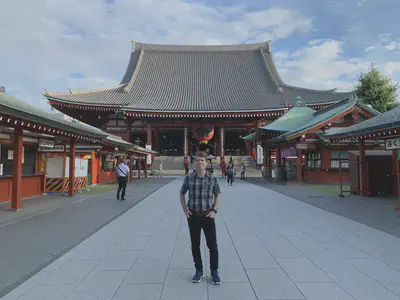
My travels for collaboration didn’t stop in Oceania. I also visited Japan, where I had the chance to meet my collaborator Jose Gomez-Tames in Tokyo. Although he is based at Chiba University, we met up to briefly discuss our ongoing collaboration on the computational modeling of spinal cord stimulation, extending our shared work into neuromodulation therapies.
Exploring the Non-Academic Side of Melbourne
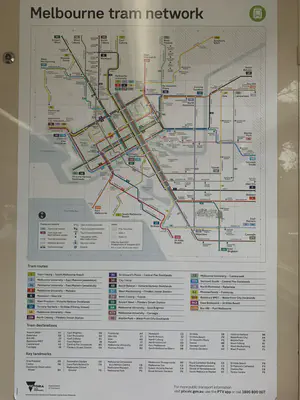
Beyond the labs and lecture halls, Melbourne proved to be an exceptionally vibrant and livable city. I truly enjoyed immersing myself in the culture, architecture, and surrounding nature.
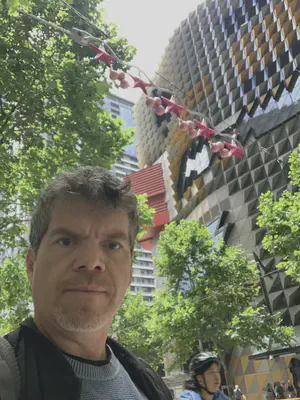
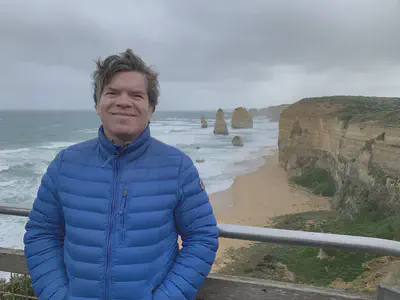
Of course, no trip to Victoria is complete without hitting the road. Journeying along the Great Ocean Road and witnessing the majesty of the 12 Apostles was a breathtaking experience that I won’t quickly forget.
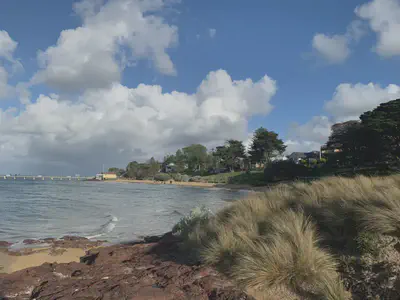
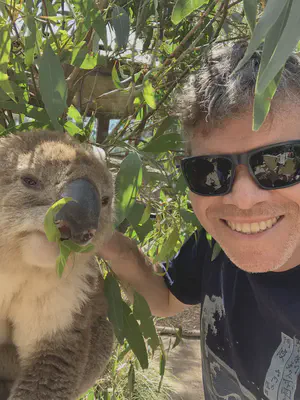
I also had the chance to visit the beautiful Phillip Island and meet some of the local wildlife, including a friendly koala during a visit to Ballarat.
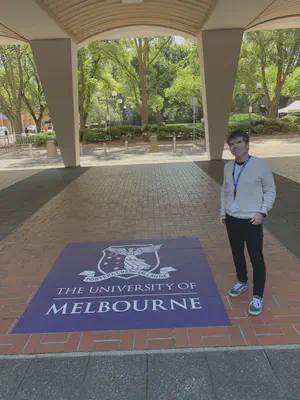
Reflecting on this past year, I return to USACH refreshed and inspired. This sabbatical has been immensely rewarding, not just for the data gathered and models constructed, but for the friendships and collaborative bonds that will undoubtedly fuel our research in the years to come.
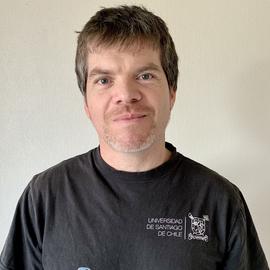
Leo Medina
Principal Investigator
Leo teaches engineering courses at Usach, and his research interests are in the neural engineering and computational neuroscience fields. His work has contributed to understand how nerve fibers respond to electrical stimulation.